


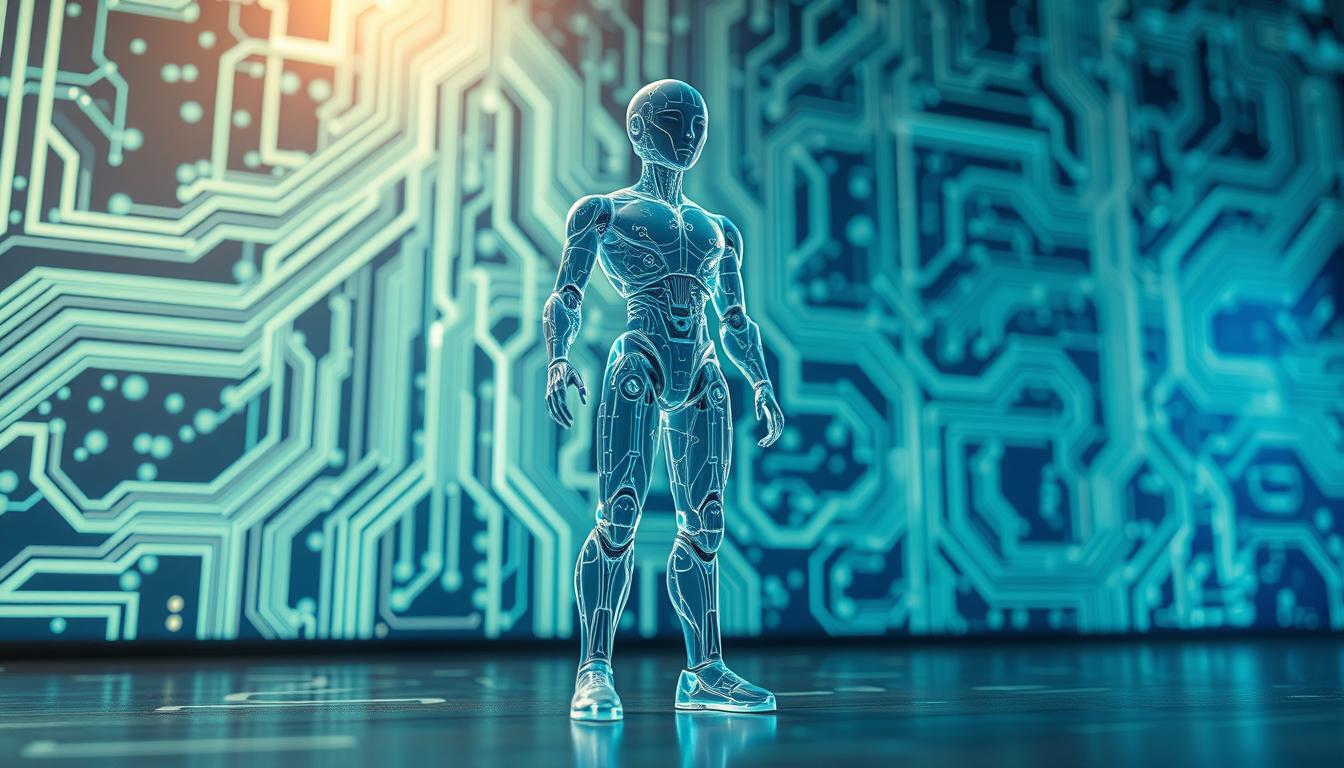
Can technology really revolutionize the way we perceive and interact with digital representations of ourselves?
The concept of AI undressing has sparked both fascination and debate. As we dive into this emerging technology, it’s essential to understand its implications and potential applications.
At its core, AI undressing involves using artificial intelligence to create digital representations that can be manipulated in various ways, raising questions about identity, privacy, and the future of digital interaction.
Key Takeaways
- Understanding the basics of AI undressing technology
- Exploring the potential applications and implications
- Discussing the future of digital representation and interaction
- Addressing concerns about identity and privacy
- Examining the potential impact on various industries
The Evolution of AI Undressing Technology
Over the years, AI undressing has transformed from a conceptual idea to a tangible reality, thanks to breakthroughs in machine learning disrobing. This technology has seen significant advancements, making it a fascinating area of study and development.
From Concept to Reality
The concept of AI undressing began as a theoretical idea, exploring the potential of deep learning unclothing to revolutionize various industries. Initially, the technology faced numerous challenges, including the need for sophisticated algorithms and high-quality data sets. However, as research progressed, the feasibility of AI undressing became more apparent.
The transition from concept to reality involved overcoming technical hurdles and developing more refined machine learning models. This phase was crucial in establishing the foundation for the current state of AI undressing technology.
Key Technological Milestones
Several key technological milestones have marked the evolution of AI undressing. One significant advancement was the development of more sophisticated deep learning algorithms, which improved the accuracy and efficiency of the technology. Another crucial milestone was the integration of AI undressing with other technologies, such as computer vision and image processing.
These advancements have not only enhanced the capabilities of AI undressing but have also expanded its potential applications across various sectors. The continuous improvement in machine learning disrobing techniques has been instrumental in this progress.
How AI Undressing Actually Works
AI undressing technology operates through a combination of deep learning algorithms and advanced image reconstruction methods. This technology has garnered significant attention due to its potential applications and implications. To understand its workings, we need to delve into the core components that enable its functionality.
Deep Learning Algorithms Behind the Technology
The backbone of AI undressing technology lies in its deep learning algorithms. These algorithms are designed to process and analyze visual data with high precision. Deep learning models are trained on vast datasets to learn patterns and features that are essential for image manipulation.
Generative Adversarial Networks (GANs)
A key component of AI undressing is the use of Generative Adversarial Networks (GANs). GANs consist of two neural networks that work in tandem: a generator that creates images and a discriminator that evaluates them. This adversarial process enhances the realism and accuracy of the generated images. As noted by experts, “GANs have revolutionized the field of image synthesis by providing a robust framework for generating highly realistic images.”
“The use of GANs in AI undressing has significantly improved the quality of generated images, making them nearly indistinguishable from real images.”
Neural Network Training Process
The training process for these neural networks involves feeding them large datasets of images. The networks learn to identify and replicate patterns within these images, gradually improving their ability to generate realistic outputs. Training data quality is crucial for the success of this process, as it directly impacts the accuracy and realism of the results.
Image Processing and Reconstruction Techniques
Image processing and reconstruction are critical aspects of AI undressing technology. These techniques involve manipulating images to achieve the desired outcome. Advanced algorithms are used to reconstruct images with high fidelity, ensuring that the generated outputs are coherent and realistic.
The process involves several steps, including image segmentation, feature extraction, and reconstruction. Each step is crucial for achieving high-quality results. By leveraging these techniques, AI undressing technology can produce highly realistic images that are useful in various applications, from virtual try-on to medical imaging.
The Technical Capabilities of AI Undressing
Understanding the technical capabilities of AI undressing is crucial for assessing its potential applications. This technology has made significant strides in recent years, offering impressive features that are transforming various industries.
Accuracy and Realism Assessment
The accuracy and realism of AI undressing are critical factors in its overall effectiveness. Advanced deep learning algorithms are employed to ensure that the generated images are highly realistic and accurate. These algorithms are trained on vast datasets, enabling the AI to learn from a wide range of examples and improve its performance over time.
The realism of AI undressing is further enhanced by sophisticated image processing techniques. These techniques allow the AI to seamlessly integrate the generated content with the original image, creating a convincing and natural-looking result.
Processing Speed and Resource Requirements
The processing speed of AI undressing technology is another important aspect of its technical capabilities. High-performance computing hardware is typically required to process complex images quickly. However, advancements in hardware and software have led to significant improvements in processing speed, making it more feasible for widespread adoption.
In terms of resource requirements, AI undressing relies on substantial computational resources, including powerful GPUs and large memory capacities. As the technology continues to evolve, we can expect to see more efficient use of resources, potentially leveraging cognitive computing and other innovative approaches to enhance performance.
Current State of AI Undressing Applications
As we explore the current landscape, AI undressing is being utilized in various sectors, showcasing its versatility and potential. The technology has advanced significantly, with both commercial and open-source solutions emerging.

Commercial Software Solutions
Commercial software solutions have been at the forefront of AI undressing technology. Companies are developing sophisticated tools that utilize deep learning algorithms to achieve high accuracy in image processing. These solutions are often tailored for specific industries, such as fashion or entertainment, where the technology can be used for virtual try-ons or content creation.
Some notable commercial software includes applications that offer virtual dressing rooms, allowing users to see how clothing fits without physically wearing it. This not only enhances the shopping experience but also reduces returns for online retailers.
Open-Source Developments
Alongside commercial solutions, open-source developments are playing a crucial role in the advancement of AI undressing technology. Open-source projects allow developers to collaborate and contribute to the technology, driving innovation and transparency.
These open-source initiatives often provide a platform for researchers and developers to experiment with new algorithms and techniques, some of which may later be adopted by commercial entities. The collaborative nature of open-source development accelerates the evolution of AI undressing, making it more sophisticated and accessible.
The interplay between commercial and open-source solutions is fostering a dynamic ecosystem around AI undressing technology, with smart technology revealing new possibilities and applications.
Legitimate Use Cases for AI Undressing
The emergence of AI undressing technology has sparked interest across multiple sectors, from fashion to healthcare. While controversy surrounds certain aspects of this technology, its potential for legitimate and beneficial applications is significant.
Fashion and Design Industry Applications
In the fashion industry, AI undressing can revolutionize the design process. Designers can use this technology to visualize clothing designs on models without the need for physical prototypes. This not only saves time but also reduces costs associated with sampling. Furthermore, AI undressing can help in creating more realistic and diverse representations of clothing items in marketing materials.
Medical and Healthcare Implementations
In healthcare, AI undressing technology can be adapted for medical imaging and diagnostics. For instance, it can help in the reconstruction of medical images, enhancing the accuracy of diagnoses. Additionally, this technology can be used for training purposes, allowing medical professionals to practice examinations and procedures in a highly realistic virtual environment.
Virtual Fitting Rooms and Retail
The retail industry can also benefit from AI undressing through the creation of advanced virtual fitting rooms. Customers can see how clothing fits without having to physically try it on, enhancing the online shopping experience. This technology can reduce return rates for online purchases, as customers have a more accurate understanding of the fit.
| Industry | Application | Benefit |
|---|---|---|
| Fashion | Design Visualization | Reduced sampling costs |
| Healthcare | Medical Imaging | Enhanced diagnostic accuracy |
| Retail | Virtual Fitting Rooms | Improved customer experience |
Ethical Considerations and Concerns
The emergence of AI undressing technology has sparked intense debate about its ethical implications. As this technology continues to evolve, it’s crucial to address the various ethical concerns surrounding its use.
Privacy Violations and Consent Issues
One of the primary ethical concerns is the potential for privacy violations. AI undressing technology can be used to create non-consensual images, raising serious questions about consent and personal privacy. Unauthorized use of such technology can lead to severe emotional distress for the individuals affected.
- Potential for creating and distributing non-consensual imagery
- Violations of personal privacy and data protection
- Need for stricter regulations to prevent misuse
Potential for Harassment and Abuse
Another significant concern is the potential for harassment and abuse facilitated by AI undressing technology. The ease of creating manipulated images can lead to an increase in cyber harassment and bullying.
- Increased risk of cyber harassment
- Potential for revenge porn and other forms of abuse
- Need for better safeguards to protect individuals
Impact on Body Image and Social Norms
AI undressing technology also has the potential to impact body image and social norms. The proliferation of manipulated images can contribute to unrealistic beauty standards and body dissatisfaction. It’s essential to consider the broader societal implications of this technology.
- Contribution to unrealistic beauty standards
- Potential for increased body dissatisfaction
- Need for responsible use and regulation
Legal Framework Surrounding AI Undressing
Understanding the legal framework surrounding AI undressing is crucial for developers and users alike. As this technology continues to evolve, the legal landscape is adapting to address the challenges it presents.
Current Legislation in the United States
The United States has a multifaceted approach to regulating AI undressing, involving both federal and state laws.
Federal Laws and Regulations
At the federal level, laws such as the Video Voyeurism Prevention Act of 2004 and the Deepfakes Accountability Act are relevant to AI undressing. These laws focus on preventing the unauthorized creation and distribution of intimate images.
State-Level Approaches
Individual states are also taking action, with some like California and Virginia enacting specific legislation to address deepfakes and AI-generated content. These laws vary, creating a complex legal environment for developers and users.
| State | Legislation | Key Provisions |
|---|---|---|
| California | AB 730 | Regulates deepfakes in political campaigns and elections |
| Virginia | HB 2038 | Criminalizes the creation and distribution of deepfakes with malicious intent |
| Texas | SB 2128 | Prohibits the use of deepfakes to influence elections |
International Legal Perspectives
Globally, countries are approaching AI undressing with varying regulatory strategies. The European Union’s General Data Protection Regulation (GDPR) provides a comprehensive framework for data protection, which can be applied to AI undressing technologies.
The legal framework surrounding AI undressing is rapidly evolving. As technology advances, it is crucial for legal systems to adapt, ensuring that the rights of individuals are protected while fostering innovation.
Impact on Content Creators and Entertainment Industry
Cognitive computing unveiling new dimensions in visual content creation, AI undressing is reshaping the landscape for actors, models, and content creators alike. This technology is not only changing how content is produced but also raising important questions about the future of the entertainment industry.
Challenges for Actors and Models
Actors and models are facing new challenges in the era of AI undressing. The ability to digitally alter images and videos raises concerns about consent, privacy, and the potential for misuse. For instance, a model’s likeness could be used without their permission, leading to potential legal and ethical issues.
- Loss of control over personal image
- Potential for unauthorized use
- Impact on career opportunities
Copyright and Intellectual Property Issues
The rise of AI undressing also brings to the forefront complex copyright and intellectual property issues. As AI-generated content becomes more prevalent, questions arise about ownership and the rights to such content. This could lead to a reevaluation of current copyright laws to address the challenges posed by AI technologies.
Key considerations include:
- Defining ownership of AI-generated content
- Protecting original creators’ rights
- Addressing potential legal ambiguities

As the entertainment industry navigates these challenges, it’s crucial to strike a balance between leveraging the benefits of AI undressing and protecting the rights and interests of content creators.
The Psychological Impact of AI Undressing Technology
The psychological effects of AI undressing technology are multifaceted and far-reaching. As this technology becomes more prevalent, it’s crucial to understand its implications on both individuals and society as a whole.
Effects on Victims of Unauthorized Use
Victims of unauthorized AI undressing face significant psychological distress. The non-consensual creation and distribution of intimate images can lead to feelings of violation, shame, and anxiety. These individuals may experience a range of negative emotions, from embarrassment to severe depression. The impact on their mental health can be profound, affecting their daily lives and personal relationships.
Support systems and resources are crucial for those affected. Counseling and legal assistance can provide victims with the help they need to navigate these challenging situations.
Broader Societal Implications
Beyond individual victims, AI undressing technology has broader societal implications. It can contribute to a culture where privacy is eroded, and the boundaries of personal respect are continually pushed. The normalization of such technology could lead to a desensitization of its harmful effects, potentially increasing its misuse.
Moreover, the technology raises questions about consent and the perception of reality. As AI-generated content becomes more sophisticated, distinguishing between real and manipulated images becomes increasingly difficult. This blurring of lines can have significant implications for how we perceive and interact with digital content.
Addressing these issues requires a multifaceted approach, including education, legal frameworks, and technological safeguards. By understanding the psychological impact of AI undressing technology, we can work towards mitigating its harmful effects and ensuring that its development and use are guided by ethical considerations.
Responsible Development and Usage Guidelines
As AI undressing technology continues to evolve, it’s crucial to establish guidelines for its responsible development and use. The growing sophistication of machine learning disrobing algorithms has raised important questions about the ethical implications of this technology.
To address these concerns, the industry must come together to establish clear standards and best practices. This involves not only developers but also users, policymakers, and other stakeholders.
Industry Self-Regulation Efforts
Industry self-regulation is a critical first step in ensuring the responsible development of AI undressing technology. By establishing internal guidelines and codes of conduct, companies can help prevent misuse and promote ethical practices. For instance, developers can implement robust consent mechanisms and ensure transparency about the capabilities and limitations of their technology.
Some companies are already taking proactive steps in this direction. For example, they’re implementing age verification processes and providing clear guidelines for users.
Best Practices for Developers and Users
For developers, best practices include prioritizing data privacy, security, and transparency. This involves implementing robust safeguards against unauthorized access or misuse of the technology. Developers should also consider the potential societal impacts of their creations and strive to mitigate any negative consequences.
Users, on the other hand, should be aware of the potential risks associated with AI undressing technology. This includes understanding the limitations of the technology and being cautious about the data they provide. By being informed and responsible users, individuals can help promote a safer and more ethical environment for this technology.
Ultimately, the responsible development and use of AI undressing technology require a collaborative effort. By working together and following established guidelines, we can harness the benefits of this technology while minimizing its risks.
Future Innovations in AI Undressing
The realm of AI undressing is on the cusp of a revolution, driven by emerging technologies. As we look ahead, it’s clear that the future of this field will be shaped by advancements in both the technology itself and its integration with other AI systems.
Emerging Technologies and Approaches
Recent breakthroughs in deep learning algorithms have significantly enhanced the capabilities of AI undressing technology. These advancements have enabled more accurate and realistic digital undressing, paving the way for new applications across various industries.
Some of the emerging approaches include:
- Improved image processing techniques
- Enhanced 3D modeling capabilities
- Integration of augmented reality (AR) elements
These innovations are expected to drive the adoption of AI undressing technology in fields such as fashion, healthcare, and entertainment.
Potential Integration with Other AI Systems
The future of AI undressing lies not only in its standalone capabilities but also in its potential integration with other AI systems. For instance, combining AI undressing with virtual try-on technology could revolutionize the retail industry by providing customers with a more immersive shopping experience.
Other potential integrations include:
| AI System | Potential Application |
|---|---|
| Virtual Reality (VR) | Enhanced virtual fitting rooms |
| Chatbots | Personalized fashion recommendations |
| Image Recognition | Automated clothing analysis |
As AI undressing technology continues to evolve, we can expect to see more sophisticated applications that leverage the power of artificial intelligence naked and deep learning unclothing to create new and innovative user experiences.
Protecting Yourself from Unwanted AI Undressing
In the age of AI undressing, protecting one’s digital identity has become more important than ever. As this technology continues to evolve, individuals must be proactive in safeguarding their online presence and personal security.
Digital Safety Measures
To protect yourself from unwanted AI undressing, it’s essential to implement robust digital safety measures. This includes being mindful of the images you share online and understanding the privacy settings on social media platforms.
Image Watermarking and Protection
One effective way to protect your images is through watermarking. By adding a visible or invisible watermark to your photos, you can deter unauthorized use and make it easier to identify the source of leaked images. Additionally, consider using image protection services that can help track and monitor how your images are used online.
Social Media Privacy Settings
Reviewing and adjusting your social media privacy settings is crucial. Limit who can see your posts and photos, and be cautious about accepting friend requests or following strangers. Regularly update your settings to reflect changes in the platform’s policies and your personal comfort level.
Resources for Victims
If you’ve been a victim of AI undressing, there are resources available to help. Organizations that specialize in digital harassment and privacy violations can provide support and guidance on how to mitigate the damage.
Consider reaching out to online communities and forums where individuals share their experiences and advice on dealing with AI undressing. These platforms can offer valuable insights and emotional support.
Conclusion: Navigating the Future of AI Undressing Responsibly
As we move forward in the era of cognitive computing unveiling new possibilities, the technology behind AI undressing continues to evolve. It’s crucial to understand that this advancement is not just about the technology itself, but also about how we choose to use it.
The future of AI undressing is closely tied to smart technology revealing new aspects of human interaction and digital presence. While there are legitimate applications for this technology, such as in the fashion and healthcare industries, there are also significant ethical and legal considerations that must be addressed.
To navigate this future responsibly, it’s essential to strike a balance between innovation and regulation. This involves not only developing and implementing robust legal frameworks but also fostering a culture of responsible development and use among creators and consumers alike.
By doing so, we can harness the potential of AI undressing technology while minimizing its risks, ensuring that its development and deployment contribute positively to society.